Introduction
Every child deserves more than a roof over their head—they deserve a place where they feel safe, loved, and encouraged to dream. An orphan home in Pakistan is far more than a residential building for vulnerable children. It is a nurturing environment where children receive quality education, emotional care, healthcare, and daily guidance while developing the confidence to build meaningful lives. Modern orphan homes create stability by offering children a safe family atmosphere where learning, healing, and personal growth happen together.
Life inside a caring orphan home is built around belonging rather than survival. Instead of simply meeting basic needs, children grow through structured routines, supportive relationships, and opportunities that prepare them for adulthood. They attend school, develop friendships, learn valuable life skills, and discover their talents in a secure environment. Organizations like God’s Little Angels demonstrate how compassionate care, consistent education, and strong community support help children overcome difficult circumstances while creating brighter futures filled with hope and opportunity. As poverty in Pakistan continues to rise, thousands of orphaned children struggle to access food, education, and healthcare. Your donation or sponsorship can give them the opportunity to build a brighter future.
An orphan home in Pakistan provides vulnerable children with a safe family environment where they receive quality education, healthcare, emotional support, life skills, and guidance that help them grow into confident and independent adults. Modern orphan homes focus on long-term child development rather than simply providing shelter.
Why an Orphan Home Feels Like More Than Just a House
A true home gives children something that walls alone never can. While many people imagine an orphan home as simply a place where children live, a caring home offers far more than accommodation. It provides emotional security, trust, daily routines, and meaningful relationships that help children feel valued again. Every shared meal, conversation, and encouraging word helps replace uncertainty with stability. This nurturing environment allows children to experience the comfort of belonging while developing the confidence to embrace new opportunities.
Feeling at home changes the way children see themselves and the world around them. When children know they are respected and supported, they become more willing to learn, build friendships, and express their thoughts openly. A safe home encourages emotional well-being, child development, and healthy relationships that strengthen resilience during difficult times. These everyday experiences create a strong foundation that supports lifelong learning, personal growth, and a brighter future.
A Child’s First Days Inside an Orphan Home
The first few days can shape a child’s entire journey. Arriving at an orphan home in Pakistan often brings a mix of emotions. Some children feel uncertain, while others may be frightened because everything around them is unfamiliar. Caring caregivers understand this delicate moment and gently introduce children to their new surroundings, daily routines, teachers, and friends. Small acts of kindness help children begin to trust again while creating a sense of comfort that makes the new environment feel welcoming.
Trust grows through patience rather than pressure. As children settle into their new home, they discover friendly faces, supportive mentors, and classmates who share similar experiences. Joining school activities, enjoying shared meals, and participating in games gradually replace fear with confidence. Over time, these positive experiences help children build emotional security while encouraging curiosity, learning, and healthy relationships that continue to grow every day.
A Typical Day Inside an Orphan Home
Every day follows a routine that helps children feel secure and organized. Mornings usually begin with breakfast, personal preparation, and school attendance. Throughout the day, children participate in classroom learning, recreational activities, reading sessions, and homework with guidance from teachers and caregivers. Structured routines provide stability while encouraging responsibility, time management, and healthy habits that benefit children throughout their lives.
Evenings create valuable opportunities for connection and reflection. After homework and recreational activities, children often share dinner before spending time reading, talking with caregivers, or participating in group activities. These moments strengthen friendships and create lasting memories while reinforcing the feeling of belonging that every child deserves. Consistent daily routines also support learning resources, quality education, and emotional well-being by creating a balanced lifestyle where children can thrive.
| Time | Daily Activity |
| Morning | Breakfast, personal preparation, school |
| Afternoon | Classroom learning, recreation, homework |
| Evening | Mentoring, dinner, reading, family time |
| Night | Reflection, relaxation, healthy sleep |
Every Child Receives Individual Care and Attention
No two children share the same story. Every child arrives with different experiences, personalities, strengths, and dreams. A caring orphan home recognises these differences and provides support that reflects each child’s unique needs. Some children may need extra encouragement in school, while others benefit from emotional guidance or opportunities to develop creative talents. Individual care helps children feel understood instead of overlooked.
Personal attention helps children grow with confidence. Caregivers, teachers, and mentors work together to encourage each child’s learning style, emotional well-being, and personal goals. Through consistent guidance and positive reinforcement, children develop stronger communication skills, greater self-confidence, and healthier relationships. This child-centred approach creates an environment where every child has the opportunity to discover their potential and prepare for a successful future.
Education Becomes Part of Everyday Life
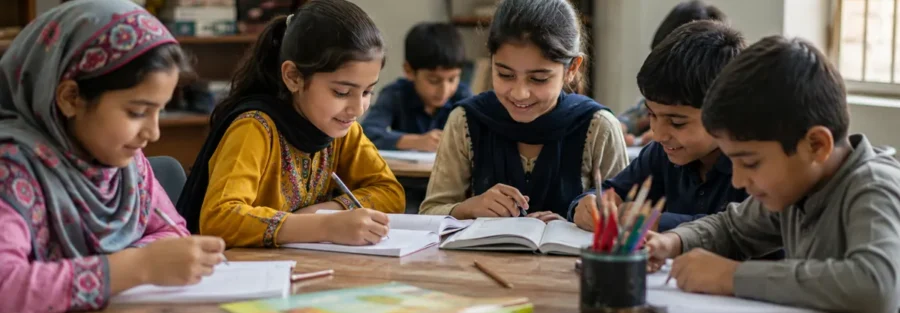
Learning doesn’t begin when children enter a classroom, and it doesn’t end when school finishes. Inside a caring orphan home, education becomes part of everyday life. Children develop healthy learning habits through homework sessions, reading time, creative activities, and meaningful conversations with teachers and caregivers. Every experience encourages curiosity, strengthens problem-solving abilities, and helps children become confident learners who enjoy discovering new ideas.
A supportive learning environment inspires children to believe in their abilities. Access to books, libraries, tutoring, and learning resources helps children improve their academic performance while developing discipline and responsibility. Caregivers celebrate every achievement, whether it is mastering a new lesson or completing a school project. This positive encouragement makes learning enjoyable while creating a strong foundation for quality education in Pakistan, personal growth, and lifelong success.
Learning Happens Beyond the Classroom
Some of life’s greatest lessons are learned outside school walls. Children gain valuable knowledge while helping with daily responsibilities, participating in sports, reading together, solving everyday problems, and working as a team. These experiences build confidence, creativity, communication, and leadership skills that prepare children for challenges they will face throughout adulthood.
Family-Style Living Helps Children Feel They Truly Belong
A caring home is built through relationships, not walls. Family-style living creates an environment where children experience warmth, stability, and genuine care every day. Sharing meals, celebrating birthdays, observing festivals, and enjoying recreational activities together help children build lasting friendships while developing trust in the people around them. These shared experiences replace feelings of loneliness with a strong sense of belonging and emotional security.
Daily routines create memories that shape confident and compassionate adults. Children learn respect, cooperation, and responsibility while living alongside caregivers and friends who encourage positive behaviour. They celebrate achievements together, support one another during difficult moments, and grow within a home where kindness is part of everyday life. This nurturing atmosphere strengthens social welfare organization, healthy relationships, and emotional resilience while helping children develop the confidence to face the future.
Emotional Healing Helps Children Dream Again
Hope often begins when children discover that someone truly cares about them. Many children entering an orphan home carry emotional pain caused by loss, neglect, or uncertainty. Before they can fully focus on education and personal goals, they need compassion, patience, and a safe environment where they feel accepted. Emotional healing allows children to rebuild trust while replacing fear with confidence and optimism.
Healing creates opportunities that extend far beyond childhood. As children receive encouragement from caregivers, teachers, and mentors, they gradually develop stronger self-esteem, emotional resilience, and healthier relationships. They become more willing to participate in school, explore new interests, and express themselves openly. This combination of emotional well-being, confidence-building, and positive support creates lasting change that prepares children for successful and independent lives.
Technology Opens Doors to New Opportunities
Today’s world rewards children who know how to learn, adapt, and use technology wisely. A modern orphan home in Pakistan helps children develop digital literacy alongside traditional education. Computers, educational software, online learning platforms, and interactive lessons introduce children to new ideas while improving research skills, creativity, and communication. Technology becomes another tool that helps children unlock their full potential.
Digital learning prepares children for opportunities that continue long after school. Understanding computers, online collaboration, and educational technology gives young people greater confidence as they prepare for higher education and future careers. Combined with strong mentoring and educational opportunities, these skills help children remain competitive in a changing world where technology plays an important role in learning and employment.
Life Skills Prepare Children for Independent Adulthood
Growing into adulthood requires more than academic knowledge. A caring orphan home helps children develop practical life skills that prepare them for independent living. They gradually learn responsibility, communication, teamwork, financial awareness, cooking, personal organisation, and healthy decision-making through everyday experiences. These lessons provide children with the confidence to manage real-life responsibilities after leaving residential care.
Life skills help transform education into meaningful action. As children mature, they begin setting personal goals, solving problems independently, and taking responsibility for their future. Mentors encourage leadership, critical thinking, and respectful communication while helping children prepare for higher education, vocational training, and future employment. Developing these practical abilities ensures that children leave their home equipped not only with knowledge but also with the confidence to build successful and fulfilling lives.
| Life Skill | How It Supports the Future |
| Communication | Builds healthy relationships and teamwork |
| Time Management | Encourages responsibility and discipline |
| Financial Awareness | Helps children make informed financial decisions |
| Problem-Solving | Strengthens confidence during challenges |
| Leadership | Prepares children to guide and inspire others |
| Decision-Making | Supports independent and responsible adulthood |
What Makes a Truly Caring Orphan Home?
The best orphan homes are measured by the lives they transform rather than the buildings they occupy. A trusted orphan home in Pakistan creates a secure environment where children feel respected, protected, and encouraged to grow. Beyond providing a comfortable place to live, a caring home invests in quality education, emotional well-being, healthcare, and long-term child development. Qualified caregivers, responsible leadership, and clear child safeguarding practices help children develop trust while creating a strong foundation for lifelong success.
Trust grows when children experience consistency, compassion, and genuine care every day. A truly caring orphan home supports each child’s educational journey, emotional needs, and personal goals while maintaining transparency and accountability. Children feel safe because they know they are valued as individuals rather than treated as numbers. This commitment to child protection, personal growth, and meaningful relationships creates an environment where hope can flourish and brighter futures become possible.
| Characteristics of a Caring Orphan Home | Positive Impact on Children |
| Safe and secure environment | Builds confidence and emotional security |
| Qualified caregivers | Creates trusting relationships |
| Quality education | Improves future opportunities |
| Healthcare and nutrition | Supports healthy development |
| Child safeguarding | Protects dignity and wellbeing |
| Individual mentoring | Encourages confidence and leadership |
| Community involvement | Strengthens social development |
How God’s Little Angels Creates a Real Home for Every Child
At God’s Little Angels, every child is welcomed into an environment where care extends far beyond daily necessities. The organization works to create a home where children receive quality education, healthcare, emotional guidance, and opportunities to discover their talents. Every child is encouraged to learn, participate, and grow within a supportive community that values kindness, respect, and responsibility. Rather than focusing only on immediate care, God’s Little Angels helps children build confidence while preparing for independent adulthood.
Education remains one of the strongest foundations for lasting change. Alongside school attendance, children receive mentoring, character development, recreational activities, and access to learning resources that encourage curiosity and creativity. Caregivers and teachers work together to create a positive atmosphere where children feel safe to ask questions, develop new skills, and pursue meaningful goals. This balanced approach helps children become confident learners while strengthening both personal growth and community development.
One Safe Home Can Change Generations
One opportunity can change the direction of an entire family’s future. When a child grows up in a supportive orphan home, the benefits continue long after childhood. Education, emotional stability, and practical life skills help young people secure employment, support their families, and contribute positively to society. One child who receives the right care today can inspire siblings, relatives, and future generations to value learning, responsibility, and compassion.
The impact reaches far beyond a single success story. As children become educated adults, they often encourage others to continue learning, build stronger communities, and create opportunities for those around them. This ripple effect demonstrates why investing in children creates lasting social change. Every safe home becomes a place where hope grows into confidence, confidence becomes achievement, and achievement strengthens families, communities, and ultimately the future of Pakistan.
Hope Begins With One Safe Home
Every brighter future starts with a place where children feel safe, respected, and encouraged to dream. A caring home provides more than protection because it gives children the confidence to believe in themselves. When love, education, and guidance come together, children gain the strength to overcome challenges while creating meaningful futures for themselves and the communities they will one day serve.
Frequently Asked Questions
What is an orphan home?
An orphan home is a safe residential environment where vulnerable children receive quality education, healthcare, emotional support, and guidance that help them grow into confident and independent adults.
What is the difference between an orphan home and an orphanage?
Both terms are often used interchangeably, but an orphan home emphasizes a family-like environment where children experience belonging, stability, and daily care. An orphanage generally refers to the broader residential care organization that provides these services.
How does an orphan home help children?
An orphan home supports children by providing education, healthcare, nutritious meals, emotional care, mentoring, life skills, and a secure environment where they can develop confidence and prepare for adulthood.
Why is education important in an orphan home?
Education gives children the knowledge, discipline, and confidence needed to build successful futures. It improves career opportunities, strengthens critical thinking, and encourages lifelong learning that benefits individuals and communities alike.
How do orphan homes prepare children for adulthood?
Modern orphan homes prepare children by combining formal education with practical life skills, leadership development, financial awareness, communication, teamwork, and mentoring. These experiences help young people become responsible, independent adults who can contribute positively to society.
Conclusion
Every child deserves more than protection—they deserve a place where they can truly belong. A caring orphan home in Pakistan provides children with stability, encouragement, and opportunities that shape every stage of their development. Through quality education, emotional support, healthy relationships, and practical life skills, children gain the confidence to overcome challenges while building meaningful and independent lives. A real home creates hope that lasts far beyond childhood.
Organizations like God’s Little Angels show that lasting transformation begins with compassion, consistency, and a genuine commitment to every child’s future. By creating safe family environments where children can learn, heal, and grow, orphan homes help develop confident adults who strengthen families, inspire communities, and contribute positively to Pakistan’s future. Every child who finds belonging today carries that hope into tomorrow, proving that one safe home can create generations of positive change.