Introduction
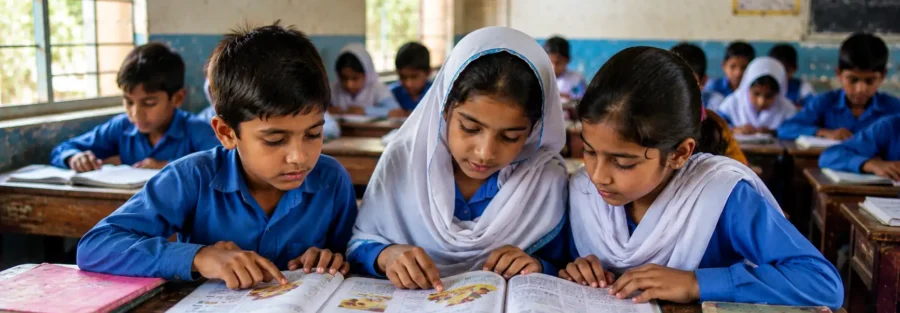
Every child deserves the chance to learn, dream, and build a brighter future. Child education in Pakistan is more than attending school or passing examinations. It is the process of helping children develop knowledge, values, confidence, and practical skills that guide them throughout life. When children receive quality education, they gain the ability to think independently, communicate effectively, and make positive decisions that benefit themselves and their communities.
Across Pakistan, many children still face obstacles that limit their access to learning. Poverty, limited educational resources, and unequal opportunities continue to affect millions of young learners. Despite these challenges, child education remains one of the most powerful ways to improve lives. By investing in educational opportunities, creating supportive learning environments, and encouraging lifelong learning, families and communities can help children unlock their full potential and prepare for a more hopeful future.
Many children are deprived of quality education because of poverty in Pakistan. By donating or sponsoring an orphan, you can help provide access to education and create a brighter future.
What Is Child Education?
Child education is the continuous process of helping children grow intellectually, emotionally, socially, and morally from an early age. It begins long before a child enters a classroom and continues through every stage of learning. While schools provide structured lessons, true education also comes from parents, teachers, daily experiences, and positive relationships. Together, these influences shape a child’s personality, curiosity, and ability to solve problems with confidence.
Unlike traditional schooling, which often focuses on academic achievement alone, holistic child education supports every aspect of development. It encourages child development, builds foundational literacy, strengthens communication, and teaches values such as respect, responsibility, and kindness. Children who experience balanced education are better prepared to adapt to challenges, build healthy relationships, and continue learning throughout their lives.
Why Child Education Matters for Every Child
Every lesson a child learns becomes another step toward independence. Quality education helps children discover their strengths, ask meaningful questions, and develop the confidence to explore new ideas. Beyond reading and mathematics, child education in Pakistan nurtures creativity, curiosity, resilience, and good character. These qualities prepare children to make thoughtful choices and become responsible members of society.
Learning also creates opportunities that extend far beyond the classroom. Children who receive consistent education support are more likely to stay in school, continue their studies, and pursue meaningful careers. As they grow, they contribute to stronger families and healthier communities. Education is not simply preparation for adulthood; it shapes the attitudes, habits, and lifelong learning mindset that influence every stage of life.
How Child Education Supports Healthy Development
Healthy development involves much more than academic success. Through meaningful learning experiences, children strengthen their thinking skills, improve language development, build emotional resilience, and learn how to interact positively with others. A supportive learning environment encourages children to ask questions, express ideas, and develop confidence while respecting different perspectives. These experiences create a strong foundation for lifelong personal and academic growth.
Education also supports physical, emotional, and social well-being by providing structure, encouragement, and opportunities to explore the world safely. Activities that involve reading, teamwork, creativity, and problem-solving help children develop critical thinking, improve communication, and strengthen their ability to overcome challenges. When schools, families, and communities work together, children receive the balanced support they need to thrive both inside and outside the classroom.
| Area of Development | How Child Education Helps |
| Cognitive Development | Improves thinking, reasoning, and problem-solving abilities |
| Emotional Wellbeing | Builds confidence, resilience, and self-awareness |
| Social Skills | Encourages teamwork, empathy, and respectful communication |
| Language Development | Strengthens reading, writing, speaking, and listening skills |
| Physical Growth | Promotes healthy routines through active participation and play |
“Education does not simply prepare children for tomorrow. It helps them discover who they are, what they can become, and how they can make a positive difference today.”
Early Childhood Education Creates Lifelong Learning Habits
The first few years of a child’s life shape the way they learn, communicate, and interact with the world. Early childhood education helps children develop curiosity, creativity, and confidence before they enter primary school. During these important years, the brain grows rapidly, making it the ideal time to build strong language, thinking, and social skills. A child who enjoys learning early is more likely to remain motivated throughout school and beyond.
Good early learning is not about memorizing facts. It is about exploring ideas, asking questions, and developing a love for discovery. Activities such as storytelling, drawing, music, games, and play-based learning strengthen cognitive development, improve school readiness, and encourage children to solve problems independently. These experiences build the confidence needed to face new challenges and create a strong foundation for lifelong learning.
How Education Protects Children Beyond the Classroom
A quality education does much more than teach reading and mathematics. It creates opportunities that protect children from risks that often prevent them from reaching their full potential. Children who stay in school are generally less vulnerable to child labor, exploitation, neglect, and early marriage. Education also helps them understand their rights, make informed decisions, and develop the confidence to speak up when something feels wrong. This makes child education in Pakistan an essential part of building safer childhoods.
Education also gives children hope during difficult circumstances. Schools provide routine, guidance, and positive relationships that encourage emotional stability and personal growth. A supportive classroom becomes a place where children feel respected, valued, and encouraged to dream about the future. By improving child protection, expanding educational opportunities, and supporting every learner, communities help children grow in safe environments where they can learn without fear.
The Role of Parents in Child Education
Learning begins at home long before children enter a classroom. Parents and caregivers influence the way children think, communicate, and develop healthy habits every day. Reading together, asking thoughtful questions, listening carefully, and encouraging curiosity all strengthen child development and build a positive attitude toward learning. Even small daily conversations can inspire children to become confident learners who enjoy discovering new ideas.
Children achieve more when families remain involved in their education. Parents who communicate regularly with teachers, celebrate progress, and create simple learning routines help children stay motivated throughout their academic journey. A quiet place to read, consistent encouragement, and genuine interest in school activities often make a lasting difference. When families and schools work together, children receive the balanced education support they need to succeed both academically and personally.
Creating Safe and Positive Learning Environments
Children learn best when they feel safe, respected, and included. A positive learning environment allows students to ask questions without fear, express their opinions confidently, and participate actively in classroom activities. Teachers who encourage kindness, patience, and mutual respect create classrooms where every child feels valued, regardless of background or ability. This sense of belonging strengthens both academic performance and emotional well-being.
Safety also extends beyond classroom walls. Clean facilities, supportive teachers, fair discipline, and inclusive learning practices all contribute to better educational experiences. Children who feel emotionally secure are more willing to participate, explore creative ideas, and overcome challenges. Building safe learning environments and promoting student well-being helps children develop resilience, confidence, and the motivation to continue learning throughout life.
“Children flourish when they feel safe enough to ask questions, confident enough to make mistakes, and encouraged enough to keep learning.”
Life Skills Every Child Needs
Success in life depends on more than academic knowledge. Every child also needs practical skills that help them communicate clearly, solve problems, and work confidently with others. Child education and poverty should encourage children to think independently, express their ideas respectfully, and adapt to new situations. Skills such as leadership, teamwork, creativity, and decision-making prepare children for challenges they will face both inside and outside the classroom.
Learning these abilities from an early age builds confidence that lasts well into adulthood. Activities like group projects, storytelling, sports, and creative learning encourage critical thinking, improve communication skills, and develop emotional intelligence. When education balances academic subjects with life skills, children become better prepared to contribute positively to their families, workplaces, and communities.
How Community Organizations Help Children Learn
Communities play an important role in making education accessible for every child. Many nonprofit organizations work alongside schools and families by providing learning resources, educational support, mentoring, and safe spaces where children can continue learning. These partnerships help children remain engaged in school while creating opportunities that encourage long-term academic and personal growth.
One example is God’s Little Angels, which supports vulnerable children through education-focused programs that provide learning resources, encourage school participation, and promote healthy child development. Rather than replacing schools, the organization complements classroom learning by helping children overcome barriers that often interrupt their education. This community-centered approach shows how local organizations can strengthen child education in Pakistan through compassion, collaboration, and consistent support.
What Successful Child Education Really Looks Like
Successful child education cannot be measured only by examination results or school attendance. True success appears when children become curious learners, confident communicators, responsible decision-makers, and compassionate members of society. Strong education helps children develop resilience, respect others, and continue learning throughout every stage of life. These qualities create lasting benefits that extend far beyond the classroom.
Modern education should also focus on learning outcomes, emotional well-being, creativity, and lifelong growth. When children leave school with practical knowledge, confidence, and strong values, they are better prepared for higher education, future careers, and meaningful relationships. A truly successful education empowers children not only to achieve personal success but also to create positive change within their communities.
Measure of Success: Positive Outcome
Academic Progress: Strong literacy and numeracy skills
Emotional Wellbeing: Greater confidence and resilience
Social Skills: Healthy relationships and teamwork
Critical Thinking: Better decision-making and problem-solving
Lifelong Learning: Continuous personal and professional growth
FAQs
What is child education?
Child education is the lifelong process of helping children develop knowledge, values, practical skills, emotional well-being, and confidence through learning experiences at home, in school, and within their communities.
Why is child education important in Pakistan?
Child education in Pakistan helps children build brighter futures by improving literacy, strengthening life skills, reducing educational inequality, and creating opportunities for long-term personal growth and community development.
What challenges affect child education in Pakistan?
Many children face barriers such as poverty, child labor, limited educational resources, unequal access to schools, teacher shortages, and social inequalities. Addressing these challenges requires support from families, schools, communities, and educational organizations.
How can parents support their child’s education?
Parents can encourage learning by reading with their children, maintaining regular communication with teachers, creating positive study habits, and showing genuine interest in their child’s education. Consistent encouragement often has a lasting impact on academic success.
How do community organizations improve child education?
Community organizations provide educational support, learning resources, mentoring, scholarships, and child-focused programs that help children continue their education while strengthening local communities.
Why is early childhood education important?
Early childhood education supports brain development, language skills, creativity, emotional growth, and school readiness. Children who receive quality early learning often perform better throughout their educational journey.
Conclusion
Every child deserves the opportunity to learn, grow, and reach their full potential. Child education in Pakistan is not simply about attending school or earning certificates. It is about developing knowledge, confidence, values, and practical skills that help children build meaningful lives. When families, teachers, communities, and organizations work together, children receive the support they need to overcome challenges and embrace lifelong learning.
Investing in children’s education creates lasting benefits for individuals and communities alike. A child who receives quality education today becomes a confident learner, a responsible citizen, and a positive influence tomorrow. By strengthening learning opportunities, creating safe educational environments, and supporting children’s overall development, Pakistan can help every child build a brighter future filled with hope, opportunity, and success.